
Specimen Collection Supplies and Collection Kit Components for Diagnostic Laboratories
Supera Fulfillment supplies specimen collection materials to diagnostic laboratories, clinical research organizations, at-home testing brands, and hospital systems nationwide, and internationally where the lane is cleared. Our Houston facility stocks the full range of collection components: blood collection tubes, swabs, transport media, specimen containers, capillary blood devices, and oral fluid collection devices, sourced from manufacturers including BD, Greiner Bio-One, Sarstedt, Streck, COPAN, Zymo Research, Tasso, and Trajan. Components are available as standalone supply or assembled into complete specimen collection kits in our FDA-registered, ISO 13485 certified, ISO 7 cleanroom facility.
Choosing the Right Specimen Collection Method
Specimen collection is the first step in every diagnostic workflow, and pre-analytical errors at the collection stage are among the most common sources of inaccurate laboratory results. Selecting the right collection method (and the right components within that method) directly affects sample integrity, analyte stability, and assay performance. The guide below covers the primary collection types we supply and the laboratory applications each one supports.
Blood Collection
Blood remains the most information-dense specimen type for quantitative diagnostic testing. Venipuncture using evacuated blood collection tubes (EDTA, serum separator, heparin, citrate, or specialized stabilization tubes) is the standard for hematology, chemistry, molecular diagnostics, and liquid biopsy programs. For decentralized and direct-to-patient programs where venipuncture is not practical, capillary blood collection devices from Tasso and Trajan enable self-collection of microsamples compatible with a wide range of downstream assays.
Swab Collection
Swab collection captures pathogens and biological material directly from the infection or sampling site. Nasopharyngeal swabs using flocked tip formats (including COPAN FLOQSwabs and Puritan HydraFlock) are the validated standard for respiratory pathogen detection. Oropharyngeal and anterior nasal swab formats support at-home and point-of-care collection programs. Swabs are paired with viral transport media, molecular transport media, or DNA/RNA shield formulations depending on the target analyte and downstream assay platform.
Urine and Specimen Container Collection
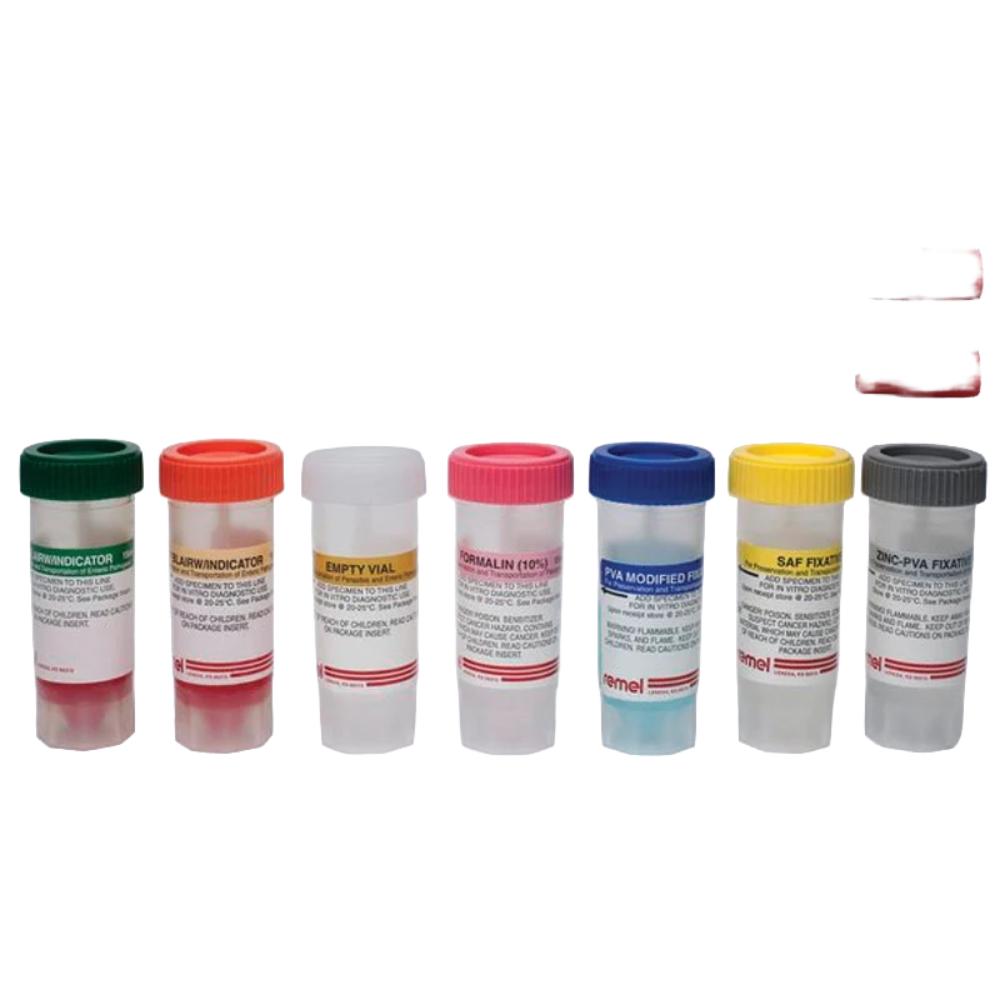
Urine collection supports urinalysis, urine culture, toxicology screening, STI testing, and molecular pathogen detection. Specimen container selection depends on whether the assay requires fresh urine, preserved urine, or a nucleic acid-stabilized format. Stool collection containers with DNA stabilization media support molecular GI panels, microbiome profiling, and colorectal cancer screening programs where samples ship from remote collection sites before laboratory analysis.
Oral Fluid Collection
Oral fluid specimen collection using lab-based devices such as the Quantisal provides a non-invasive, observed collection alternative to urine for drug testing programs. Oral fluid is the preferred specimen type for detecting recent drug use in workplace, criminal justice, and addiction monitoring programs. Collection kits can be assembled with chain-of-custody documentation and tamper-evident packaging for regulated testing programs.
Integrated Collection and Stabilization Kits
Some diagnostic programs require collection and immediate analyte stabilization in a single step. Integrated collection and stabilization kits combine a collection device with a stabilizing reagent or preservation media, capturing and protecting the target analyte at the point of collection before transport to the laboratory. These configurations are common in molecular diagnostics, liquid biopsy, microbiome research, and decentralized clinical trial programs where sample integrity during shipping is a primary concern.
Specimen Collection Kit Assembly and Nationwide Distribution
Every collection component we supply can be integrated into a fully assembled specimen collection kit built in our ISO 7 cleanroom. Our team coordinates component sourcing, media aliquoting using our Hamilton STAR liquid handling system, kit assembly, labeling, and distribution to collection sites or directly to patients across all 50 states and internationally. Sitara Waidyaratne’s 25 years of clinical laboratory expertise and the laboratory client programs we run mean we understand how collection method, component selection, and kit configuration interact to affect pre-analytical performance, before a single kit goes into production.
Supera Fulfillment stocks and kits each of these formats. See our blood collection tubes, capillary blood collection devices, nasopharyngeal swabs, oral fluid drug testing devices, specimen containers, stool collection kits, viral transport media, and integrated collection and stabilization kits. If you are still deciding, our guide to specimen collection types walks through how to match the format to the assay.
Frequently Asked Questions
The right collection method depends on your target analyte, assay platform, collection site infrastructure, and transport conditions. Blood provides the highest quantitative accuracy for most biomarker assays. Swabs are preferred for pathogen detection at the infection site. Urine and oral fluid suit non-invasive or self-collection programs. We review your assay requirements during the kit design consultation and help select the appropriate collection method and components before production begins.
Yes. We work from client-specified approved vendor lists and can source components from your validated manufacturers. If a component is not currently in our inventory, we will confirm sourcing availability and lead time before committing to a program timeline.
Yes. Integrated kits that combine a collection device with a stabilizing reagent or preservation media are a standard configuration in our kit assembly program. We coordinate component sourcing, media aliquoting, and assembly in our ISO 7 cleanroom with full ISO 13485 documentation on every lot.
We accommodate programs from pilot builds of several hundred units through commercial production of tens of thousands of kits per month. No minimum order penalties apply, and the same quality standards and documentation apply regardless of order size.