
Integrated Collection & Stabilization Kits
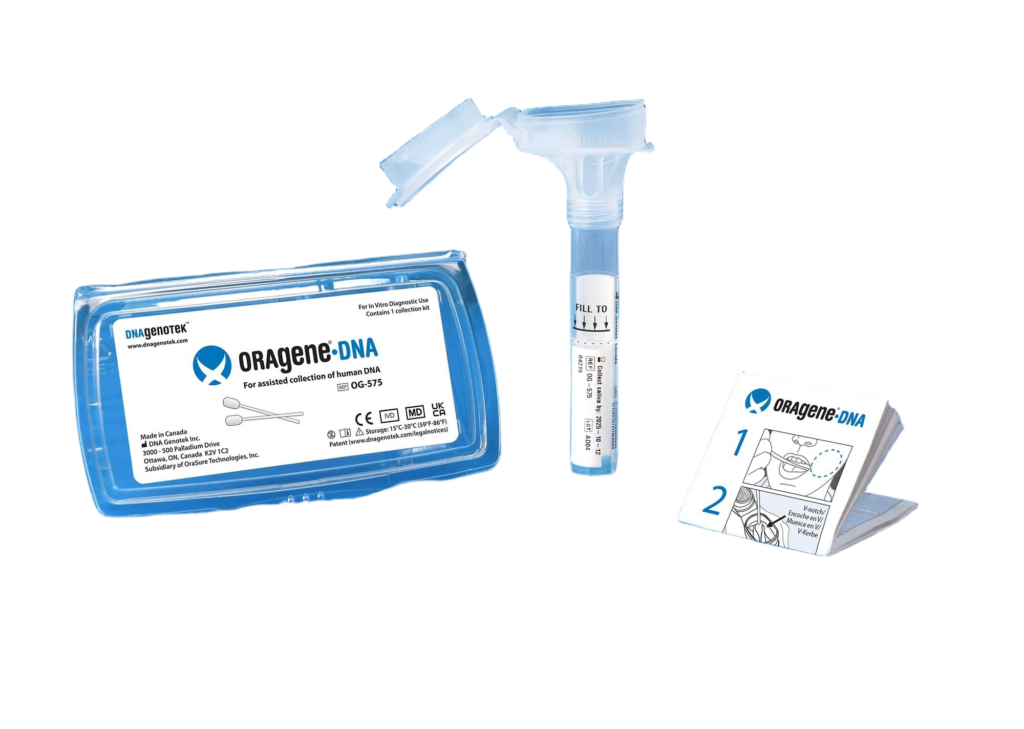
Integrated Collection and Stabilization Kits for Sample Preservation
As diagnostics move beyond centralized laboratories, integrated collection devices have become essential. These all-in-one systems combine specimen capture and stabilization within a single format, reducing handling steps and preserving analytes at ambient temperatures.
Why Integrated Systems Matter
In decentralized trials, at-home testing programs, and global sample logistics, stability is critical. Integrated stabilization technology helps:
- Preserve DNA and RNA integrity
- Prevent microbial overgrowth
- Reduce cold-chain dependency
- Simplify patient self-collection
These devices are widely used in genomics, microbiome research, wellness testing, and precision medicine initiatives.
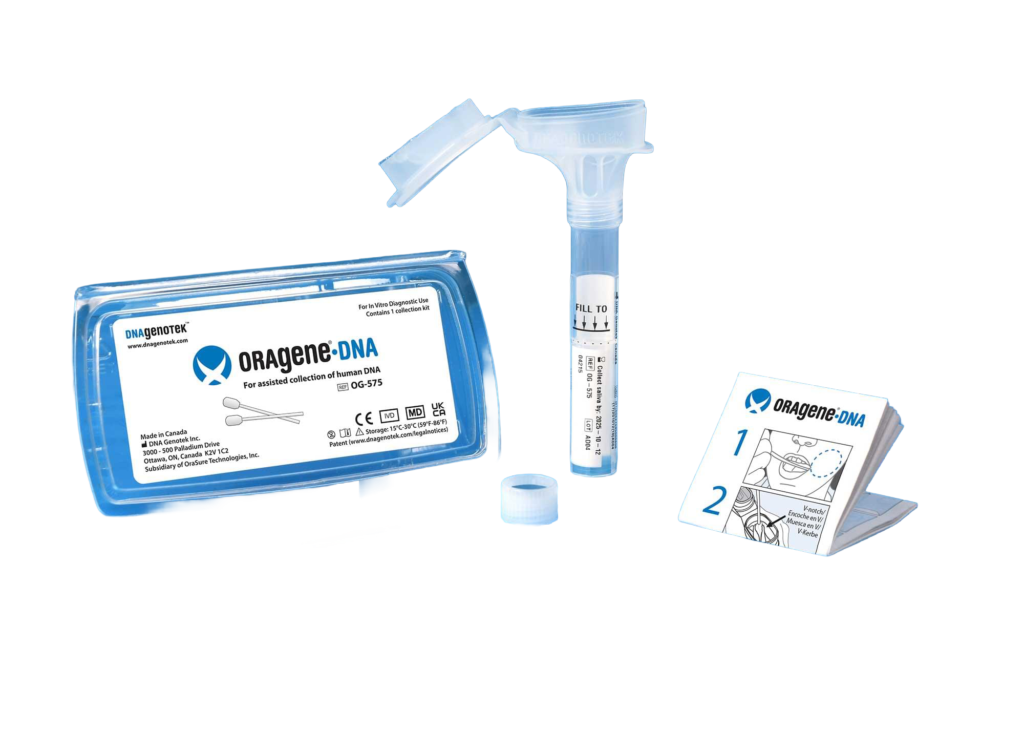
Manufacturers We Support
- DNA Genotek (Oragene®, OMNIgene® platforms)
- Zymo Research (Shield™ technologies)
- Mawi (iSwab)
- Copan
- Puritan
Applications range from NP/OP respiratory testing to microbiome research and OB-GYN sampling protocols.
What Supera does with integrated collection devices
The device is one line on the bill of materials. What ships to a patient or a clinic is a finished kit, and that is the part we build. Supera is an ISO 13485 certified, FDA registered device manufacturer, and integrated collection devices move through the same controlled process as every other kit we assemble.
- Kit assembly to a controlled BOM. Device, secondary packaging, absorbent, biohazard bag, return mailer, instructions, requisition, and any client insert, built to a documented work instruction.
- Filling and capping. Where a program uses a separate stabilization medium rather than a pre-filled device, we fill, cap and label vials and tubes in house. See aliquoting services.
- Labeling. Lot and expiry on the device and on the kit, barcoded where the program requires it, proofed and approved before the first build.
- Cleanroom assembly where the product calls for it. Our cleanroom is certified to ISO Class 7 at 0.5 microns and tested against ISO 14644.
- Lot traceability. Component lots tie to finished kit lots, which is what makes a field action survivable rather than a guess.
- Inspection and release. Quality checks run against a defined sampling plan before release.
- Packout and shipping. Domestic and international, with the documentation that has to travel with the specimen.
Integrated device, or a tube plus a separate medium?
This is the decision most programs get wrong once and then never revisit. Neither option is better in the abstract.
Integrated device
Fewer steps for the person collecting, so fewer ways for the sample to arrive unusable. Higher unit cost, and the format locks you to one manufacturer. Good fit for unsupervised at-home collection and for any program where a failed sample means a repeat visit.
Tube plus separate medium
Lower component cost and far more freedom on chemistry, including custom formulations. More assembly on our side and more room for user error on theirs. Good fit for professional collection and for programs still testing preservation approaches.
If you are still choosing, how to choose a preservation medium walks through the tradeoff in more detail, and viral transport media covers the filled-tube side.
Where the performance claims actually live
Ambient hold times, analyte stability and inhibition of microbial growth are the device manufacturer's claims, stated in their instructions for use. Supera builds to that IFU. We do not revalidate another company's chemistry, and we do not extend their stability window. If your program needs a claim the IFU does not make, that is a validation project, not a kitting decision.
What stabilization changes downstream, and what it does not
Ambient stabilization reduces cold chain dependency. It does not remove the paperwork. Most diagnostic specimens still move as UN3373 Category B under IATA Packing Instruction 650 whether or not the analyte is stabilized, and international lanes still need a commercial invoice and a consignee who can legally receive the material.
Two things that quietly break stabilized programs: return labels that expire before the patient posts the kit, and device expiry dating that runs out on a shelf faster than the kit turns over. Both are inventory problems, not chemistry problems. See cold chain logistics and global logistics.
Frequently asked questions
Do you supply the devices, or do we?
Either. Clients commonly supply the collection device under their own supply agreement and we consume it against the BOM. We can also procure components where that is simpler. Pricing to the client is a single all-in kit price in both cases.
Can you fill our own stabilization formulation?
Yes. Our ISO 13485 scope covers solution filling into vials, capping and de-capping, labeling and re-packaging. Custom formulation work is scoped separately from standard kitting.
Is this done in a cleanroom?
We operate a cleanroom certified to ISO Class 7 at 0.5 microns, tested against ISO 14644 by an accredited third party, and we use it where the product requires it. Not every kit needs it, and we will tell you when yours does not.
How do you handle lot traceability?
Component lots are recorded against finished kit lots at build. If a device lot is later restricted, we can identify which kits carried it and where they went.
Does ambient stabilization mean we can stop worrying about cold chain?
No. It usually means less cold chain, not none. The device IFU sets the hold time and temperature range, and the lane sets the transit risk. We size the packout against both.
Can you ship these internationally?
Yes. We ship across all 50 states and, to date, to destinations in 31 countries. Every new lane is screened before it runs. Supera is not a customs broker and is not the importer of record.
Who owns the regulatory status of the finished kit?
The client does. Supera is an FDA registered device manufacturer performing contract manufacturing. We do not hold clearance for a client's test, and nothing on this page should be read as a clearance, IVD, or CLIA claim.
Related: ISO 13485 certification, quality and compliance, medical kitting services.
Contact us to discuss preservation chemistry and kit configuration options.
Frequently Asked Questions
Related reading
Practical guidance from our team on building and running kit programs.
- Viral Transport Media and Preservation FluidsTransport media and preservation fluids, filled and capped in house.
- How to Choose a Preservation Medium for an At-Home Collection KitMatching preservation chemistry to the analyte and the lane.
- From Prototype to Shelf: Building a Kit Around a Collection Device That Does Not Fit a TubeBuilding a kit around a device that does not fit a standard tube.